Seminar talk: How can we learn multidimensional joint-probability distributions?#
- Date:
2026-03-19
- Tags:
copulas, dependence, joint distributions, seminar
A seminar talk I gave as part of the copulas / dependence-modelling track at AI4Value — sitting alongside sklar-engine, the dependence-modelling tooling I’ve been building at work. The motivating question is one I keep coming back to: given a handful of marginals, how do we learn the joint distribution without assuming a parametric form for it?
The slides walk through three threads:
Marginals and copulas. Sklar’s theorem as the bridge: a joint distribution is its marginals plus a copula, and the copula is the part that actually encodes dependence.
Parametric vs. non-parametric copulas. Gaussian- and t-copulas are the classical defaults; empirical copulas and kernel estimators trade assumptions for variance. The “elliptical” stretch example (the diagonal density plot) is the canonical case where a Gaussian copula fits, and the canonical case where tail dependence makes it fail.
Inference on the joint. Maximum-likelihood fits under parametric copulas, pseudo-likelihood and IFM for semi-parametric fits, and the simulation-based route when the joint is implicit.
The honest framing in the talk — and the one I now use as the through-line — is that what you can learn about a joint distribution is bounded by what you already believe about its marginals. Pick the marginals first; the copula fills in the dependence.
Slides#
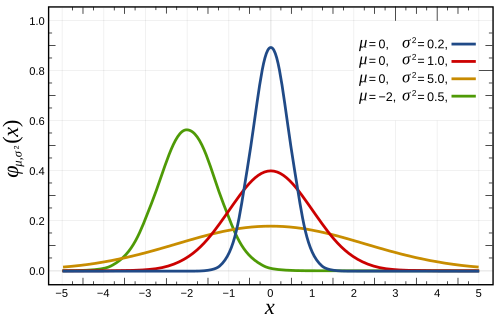
Slide 3 — Gaussian marginals (the building blocks).#
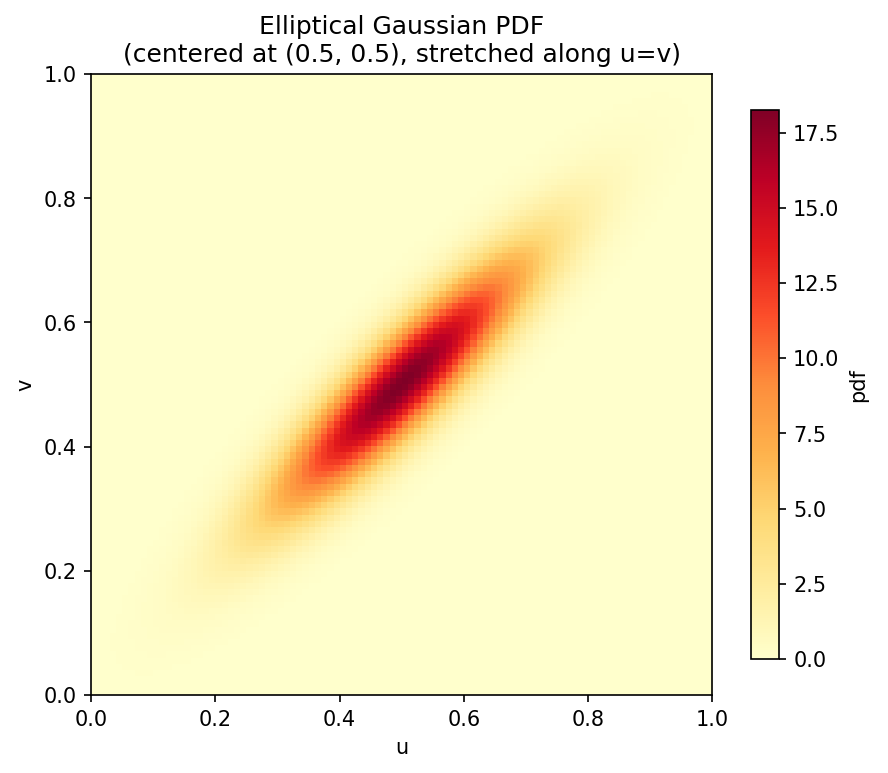
Slide 5 — an elliptical Gaussian joint, centred on (0.5, 0.5) and stretched along the diagonal. The copula is Gaussian; the dependence is +1 along u=v.#
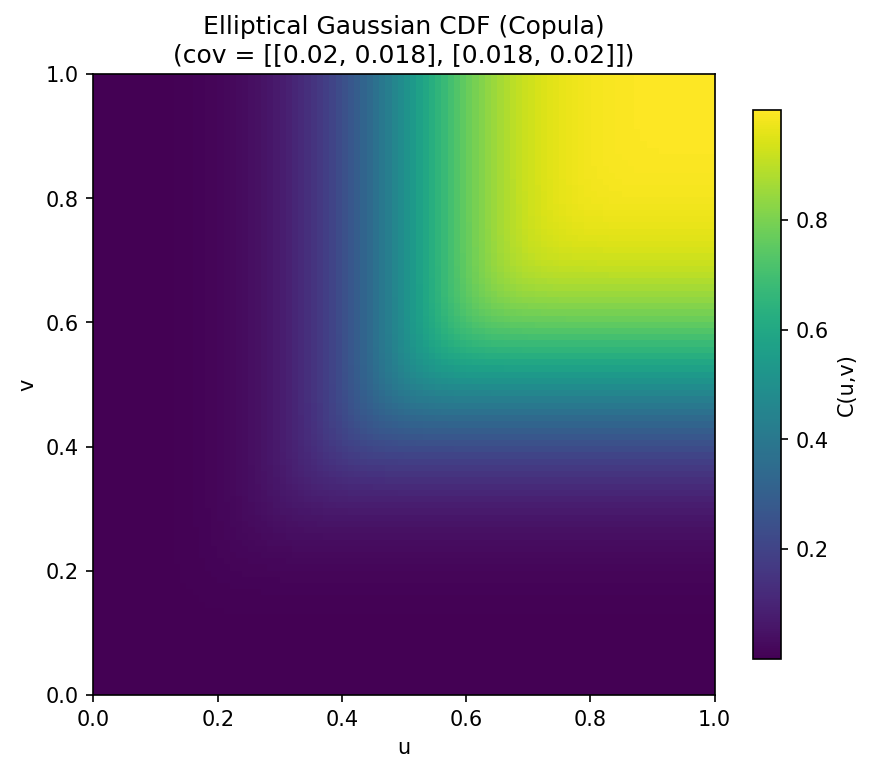
Slide 6 — the same joint as a heatmap. A copula plot, not a scatter plot: this is the density under the copula transform.#

Slide 7.#
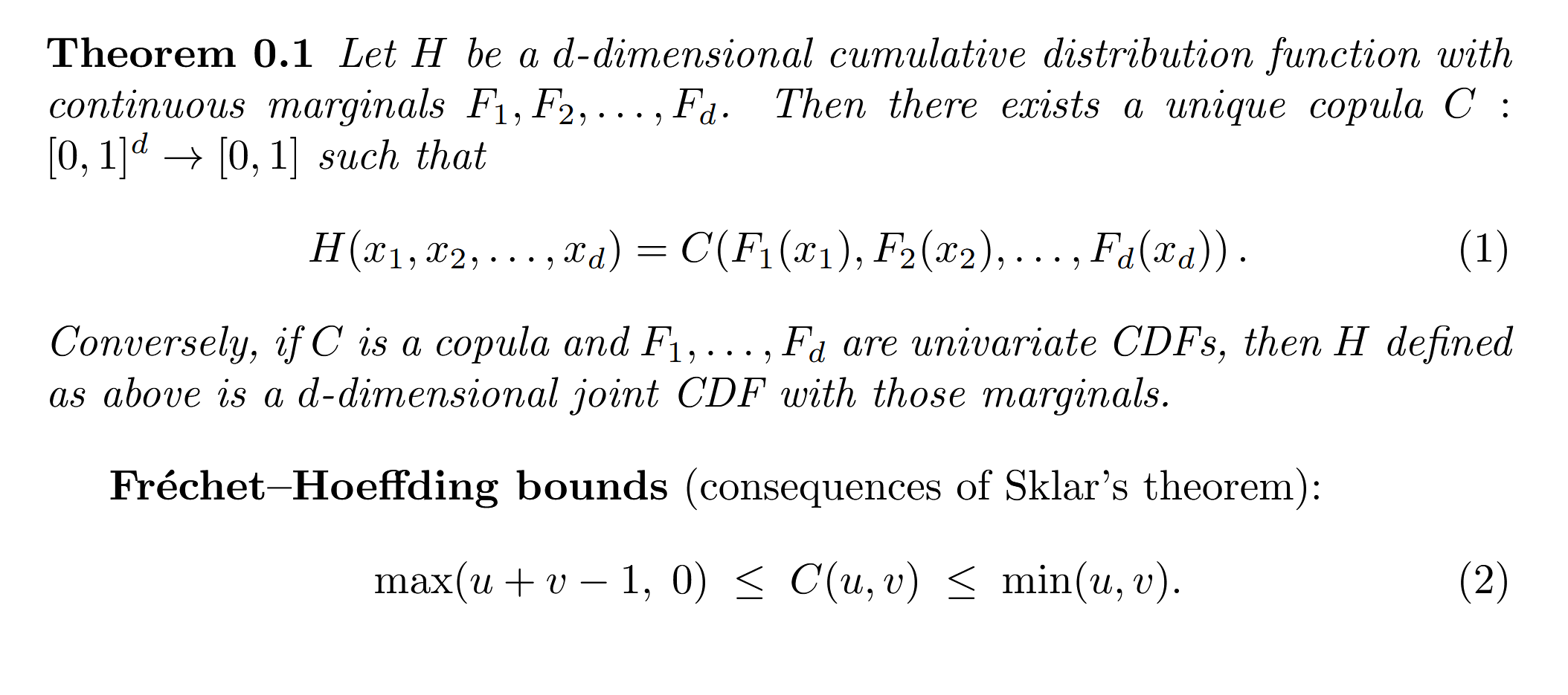
Slide 8.#
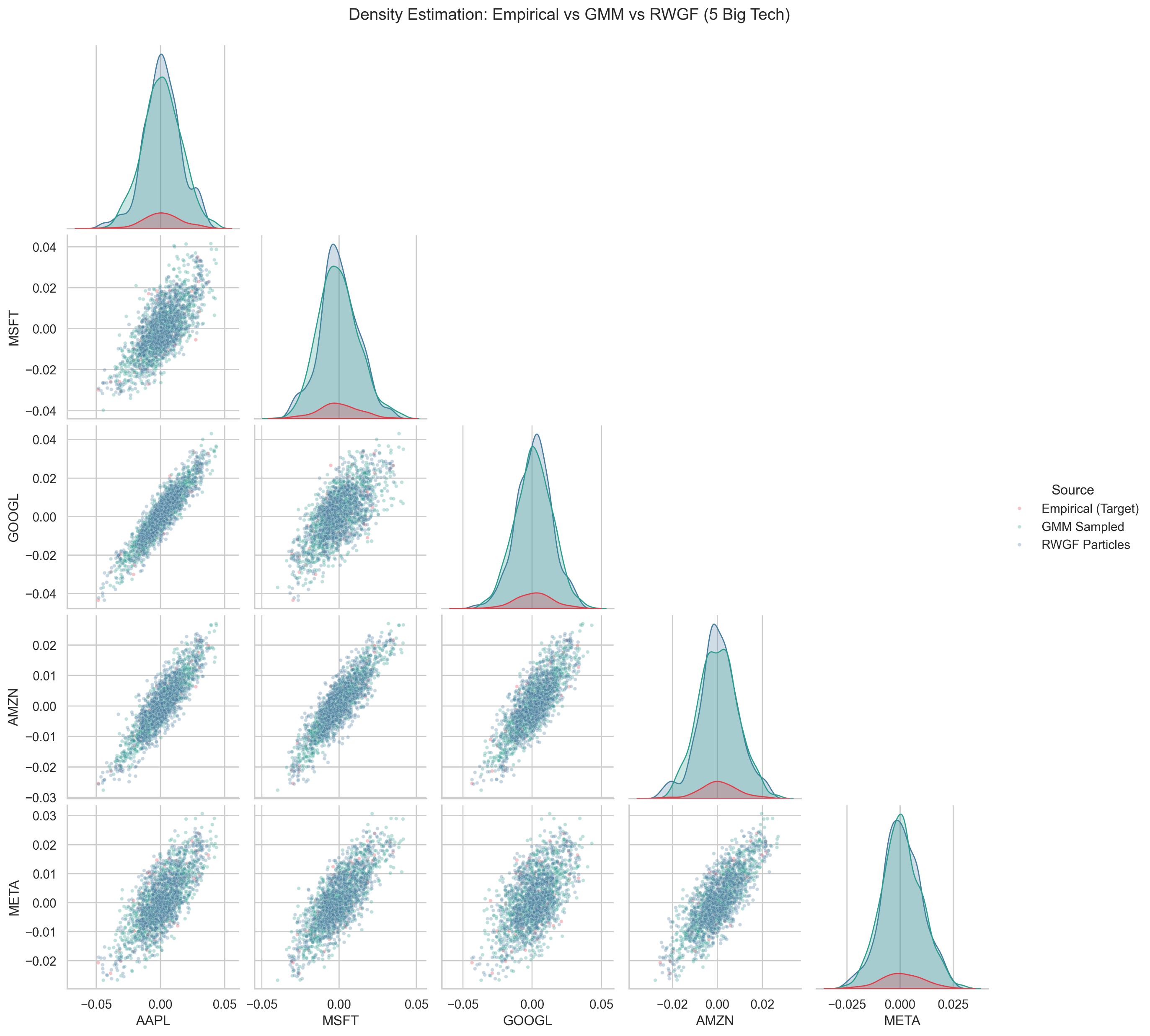
Slide 10.#
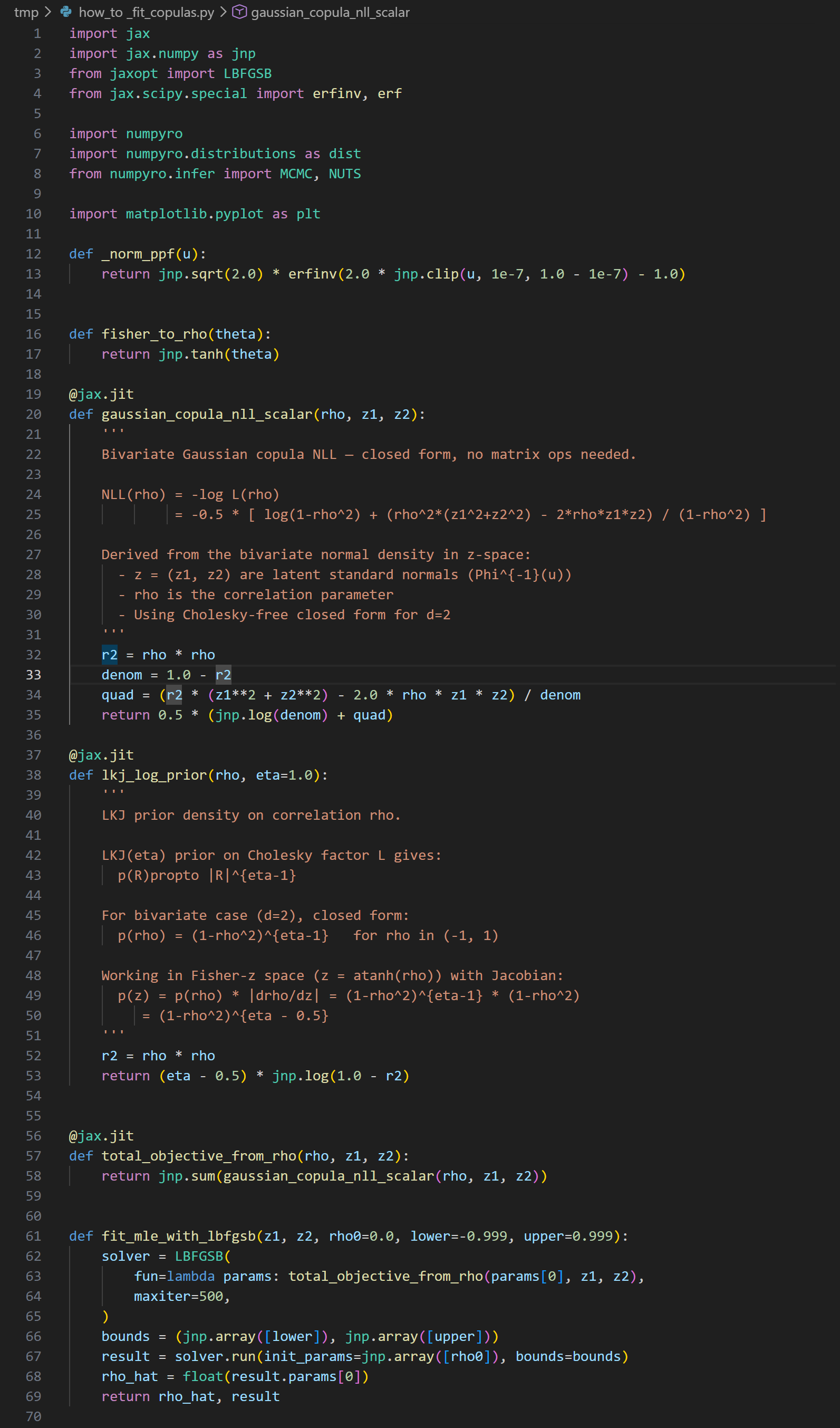
Slide 12 — comparison panels (slides 12–14 share this figure in different contexts).#
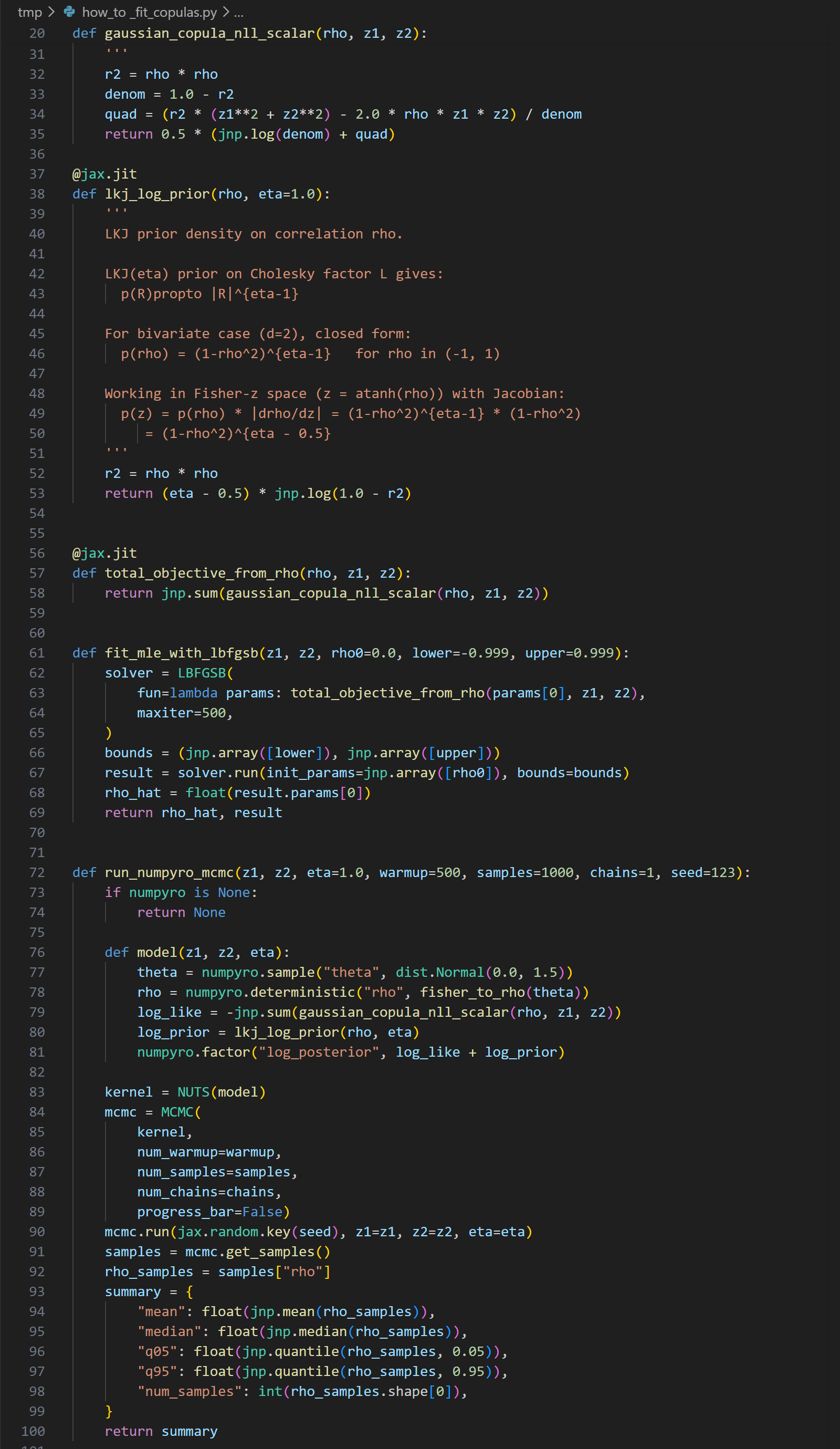
Slide 15 — repeated across slides 15–17.#
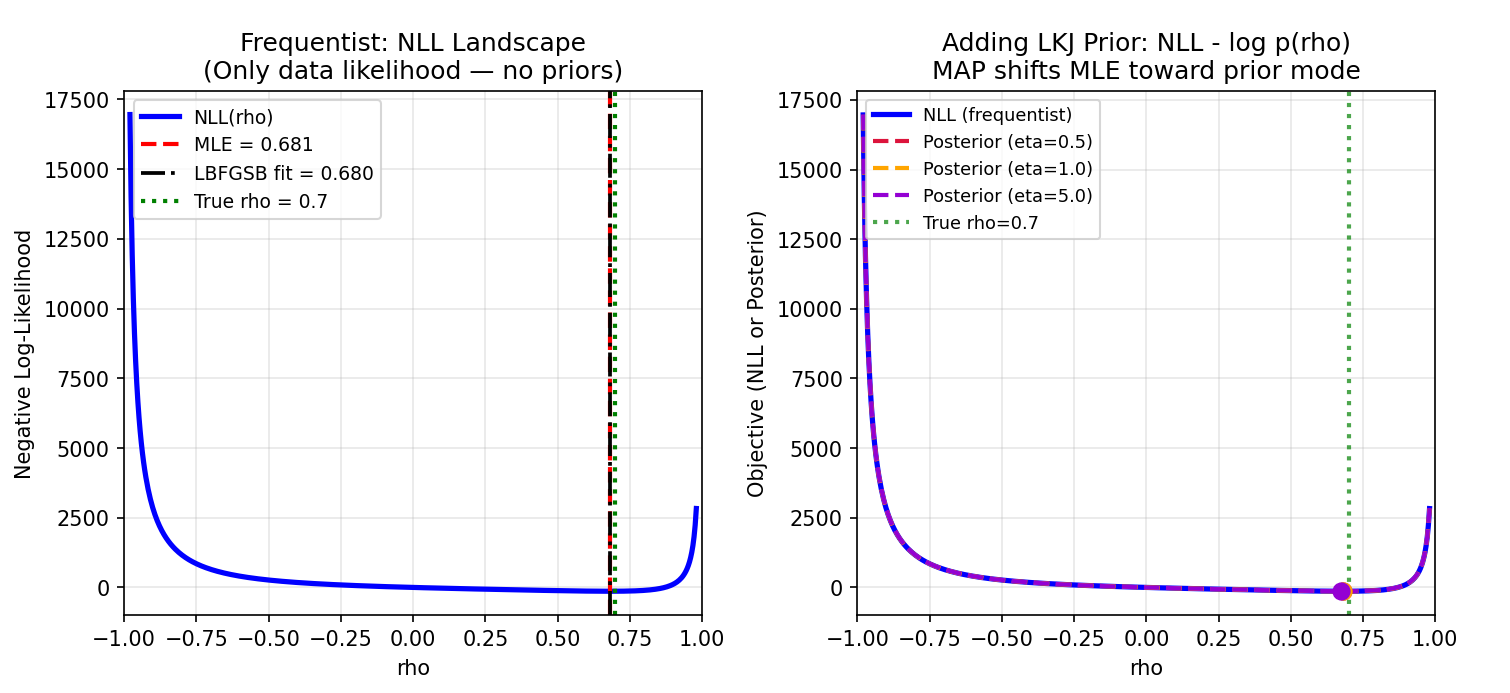
Slide 18.#
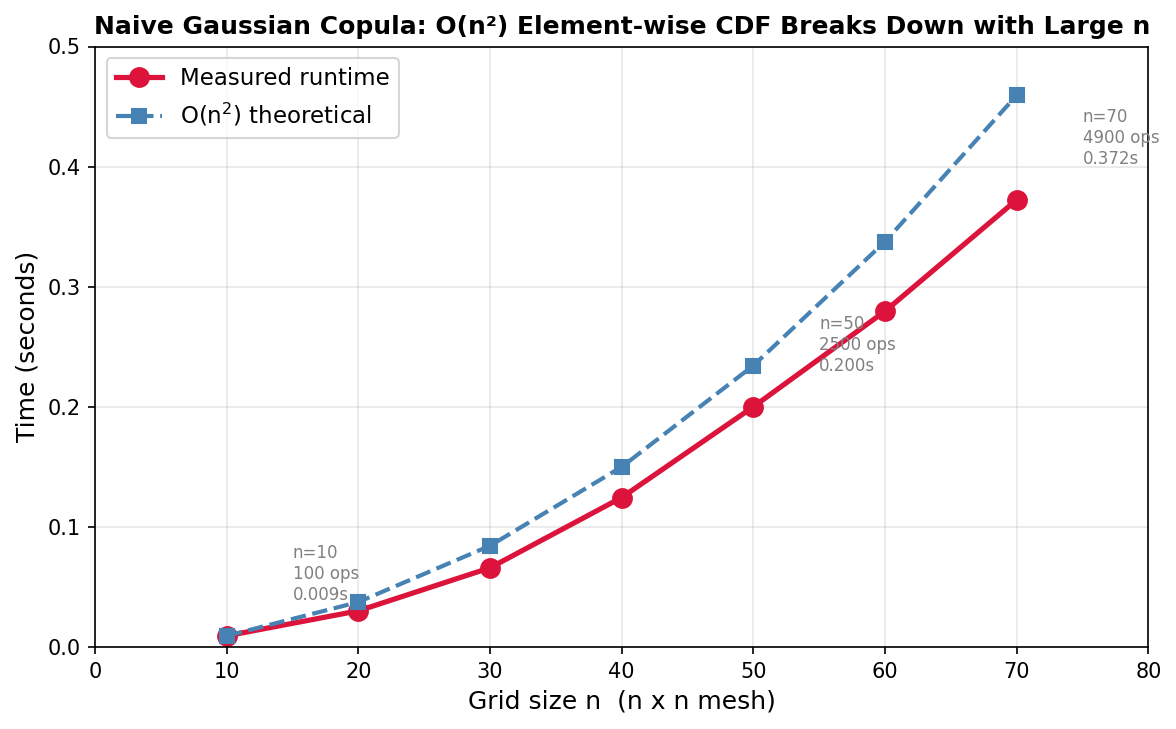
Slide 19 — tail panels.#
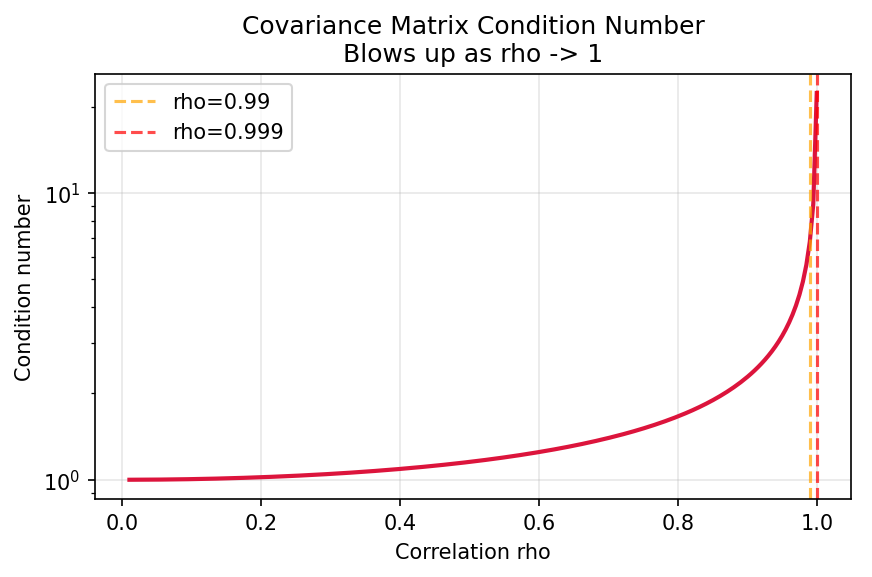
Slide 19 — tail panels.#
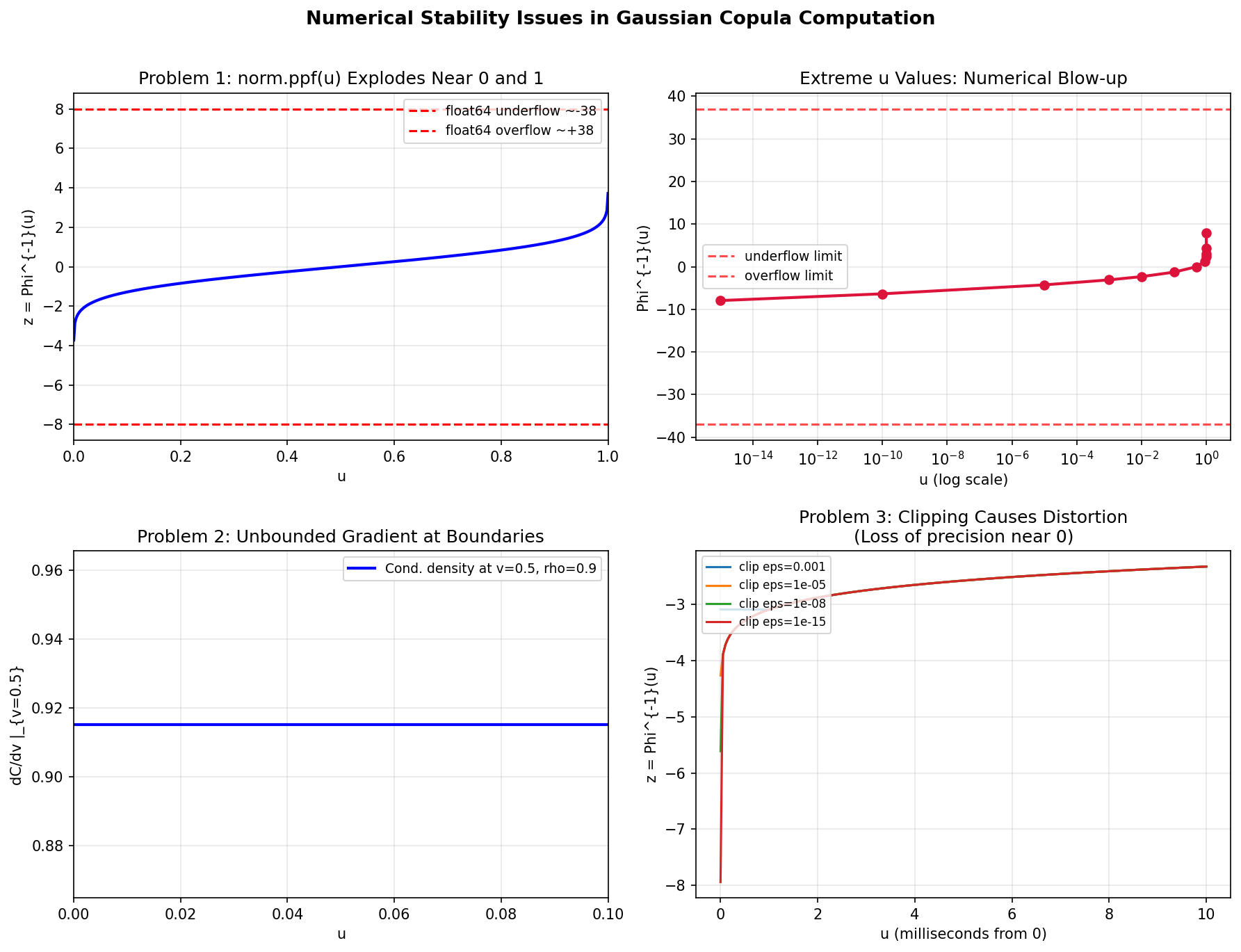
Slide 19 — tail panels.#
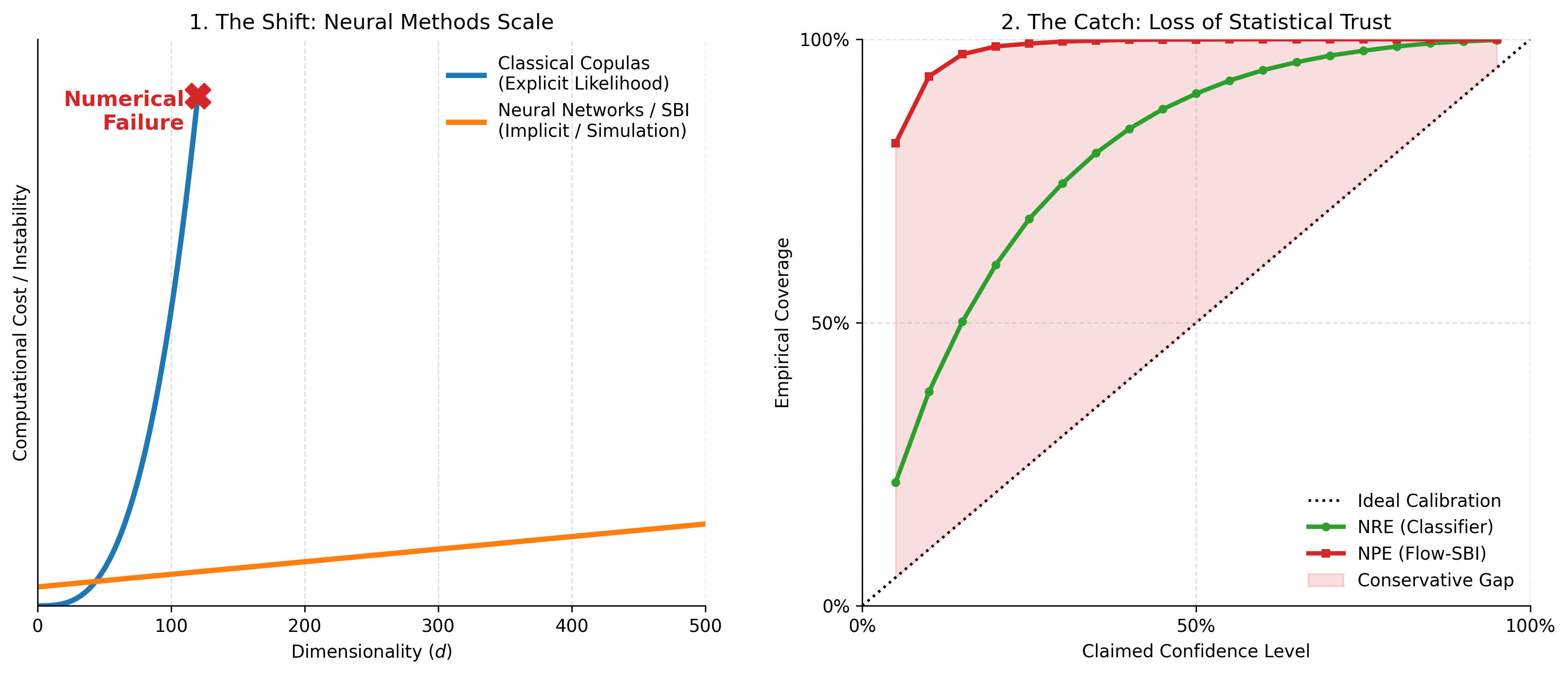
Slide 20.#
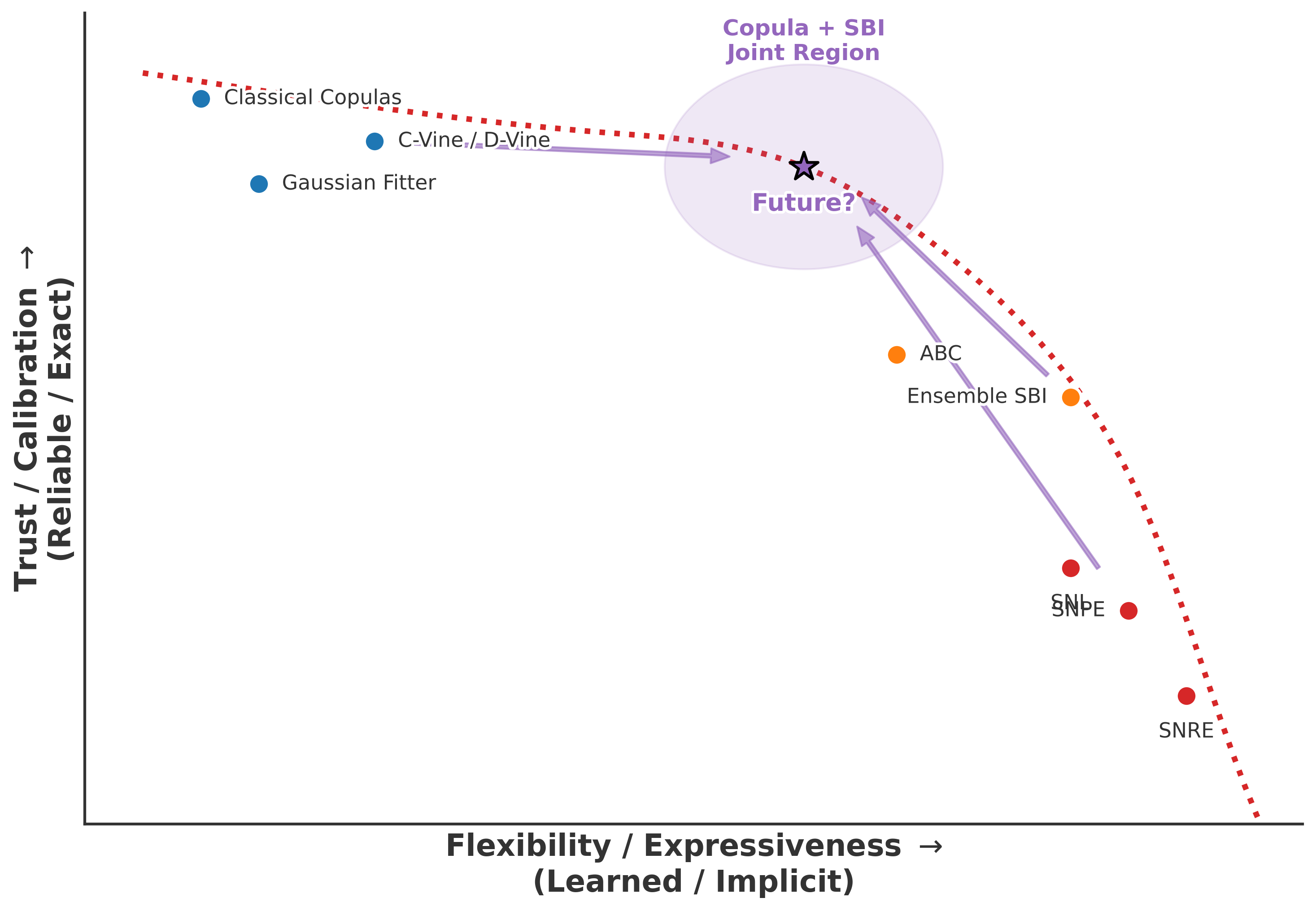
Slide 21.#
Links#
Source repo for sklar-engine (work-in-progress): PlayerPlanet