Spirituality · Artistic Research
Study: 留白 (Liubai)

Considering that silence has long been intertwined with ritual and spiritual practice, we explore how digital technology might support silence thereby allowing space for reflection, attunement, and meaning-making. How does the Chinese aesthetic concept of liubai (留白, “empty space”) open up new ways of designing for noticing and reflection?
We present lived experiences of shared silence and meditation within a one-month artist residency. By weaving together field study with interview data, first-person inquiry and artistic artefacts, we offer empirical insights at the intersection of art, spirituality, and HCI. Through this study, the residency became a site to both experiment with artistic practice and explore silence as a positive and creative practice for attentive noticing. This work advances a reflective design orientation that values slowness and alternative modes of making and thinking for techno-spiritual and posthuman research within fast-paced research and technological environments.
-
 留白 (Liubai) at a Hushed Sanctuary: Layered Reflections on an Artist Residency
Xiaran Song, Caroline Claisse, Andrés Lucero
CHI '26, 1–16
Study: Walking in My Shoes
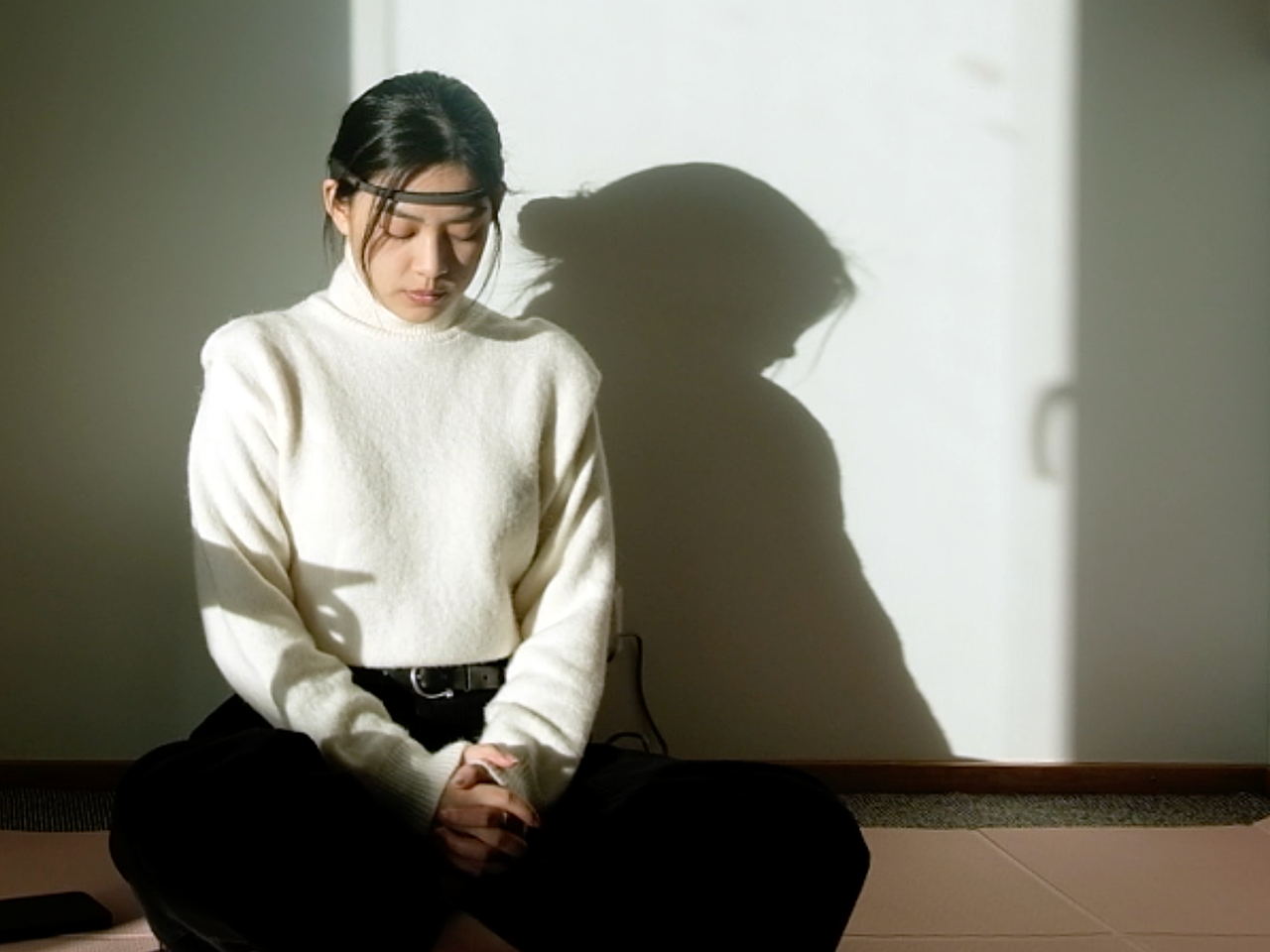
Technology has become deeply woven into the practices of faith communities who engage in shared prayer, online worship, or meditation. Despite a growing body of research on religious/spiritual practices, the Human-Computer Interaction (HCI) community has yet to fully investigate Techno-Spirituality, especially through a first-person approach.
We explore the relationship between digital devices and faith-based practices, with a specific focus on individuals of Christian faith. We present results from an eight-month autoethnographic study of private prayer by the first author, also a community member, while incorporating both technological (e.g., a Muse 2 electroencephalogram headband) and non-technological (e.g., religious iconography) media. This study contributes valuable empirical insights for investigating techno-spirituality, thus assisting HCI researchers in comprehending the real-world complexities faced by religious individuals when interacting with technology.